

Key Strategies for Budget Safaris
- Travel in the Shoulder Season Prices drop outside peak migration months (June–October). November–March offers fewer crowds, lower rates, and still excellent wildlife viewing.
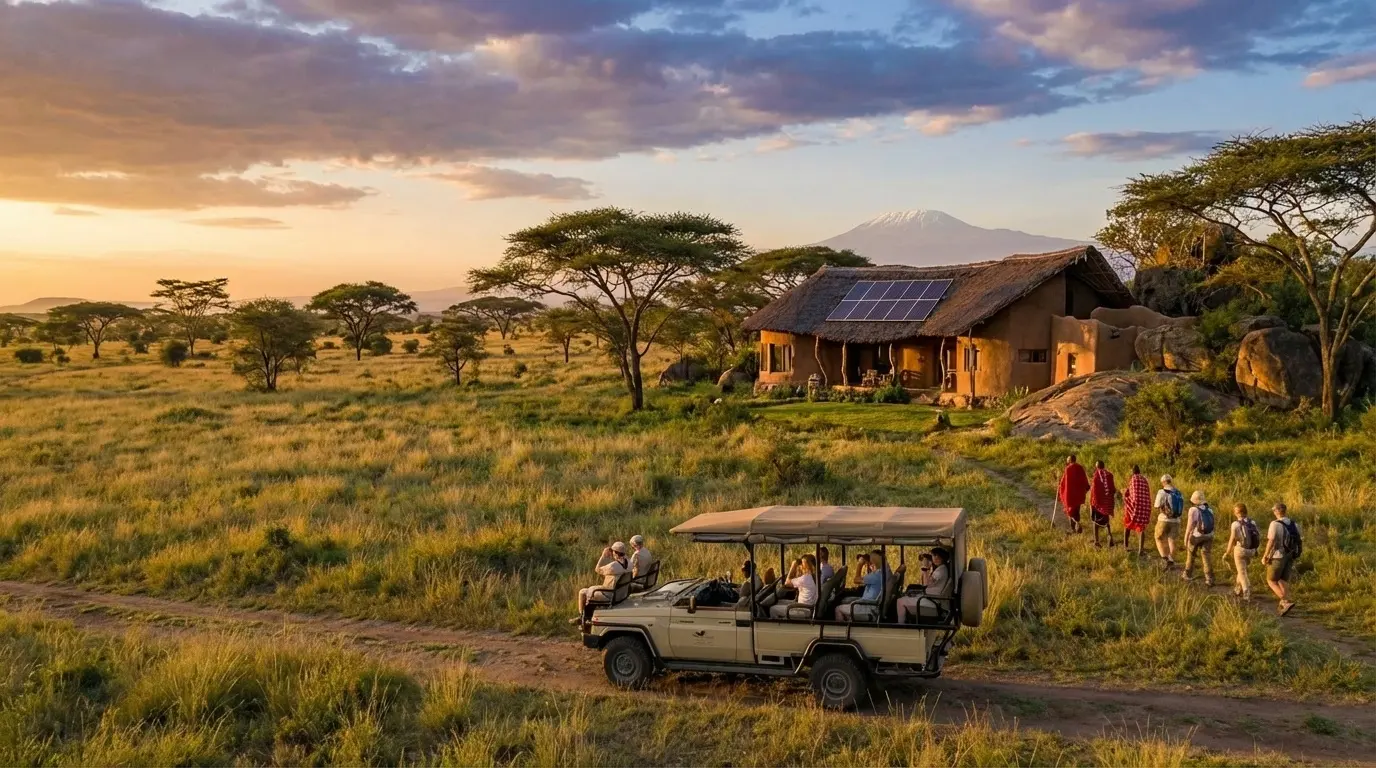
- Choose Group Safaris Sharing a vehicle and guide significantly reduces costs compared to private tours, while still giving you access to professional expertise.
- Stay in Budget Lodges or Campsites Skip luxury tented camps. Opt for public campsites, budget lodges, or guesthouses near park gates. Many still provide great meals and comfortable beds.
- Use Local Operators Tanzanian-based safari companies often offer lower rates than international agencies, with flexible itineraries tailored to budget travelers.
- Limit Park Choices Instead of trying to cover every park, focus on 2–3 highlights (e.g., Serengeti + Ngorongoro + Tarangire). This reduces transport costs and maximizes time in each location.
Typical Costs (Budget Range)
| Expense Category | Budget Estimate (per day) | Notes |
|---|---|---|
| Park Fees | $60–80 | Per person, varies by park |
| Accommodation | $60–160 | Campsites & budget lodges |
| Transport (shared 4×4) | $80–150 | Costs drop in group tours |
| Meals | $20–40 | Often included in packages |
| Total Daily Budget | $170–290 | All-inclusive safari style |
🌍 Smart Travel Hacks
Eat Local – Trying Tanzanian cuisine outside lodges is cheaper and adds cultural depth.
Book Early but Stay Flexible – Early booking secures spots, but flexibility on dates can unlock discounts.
Bring Essentials – Binoculars, reusable water bottles, snacks, and power banks save money on extras.
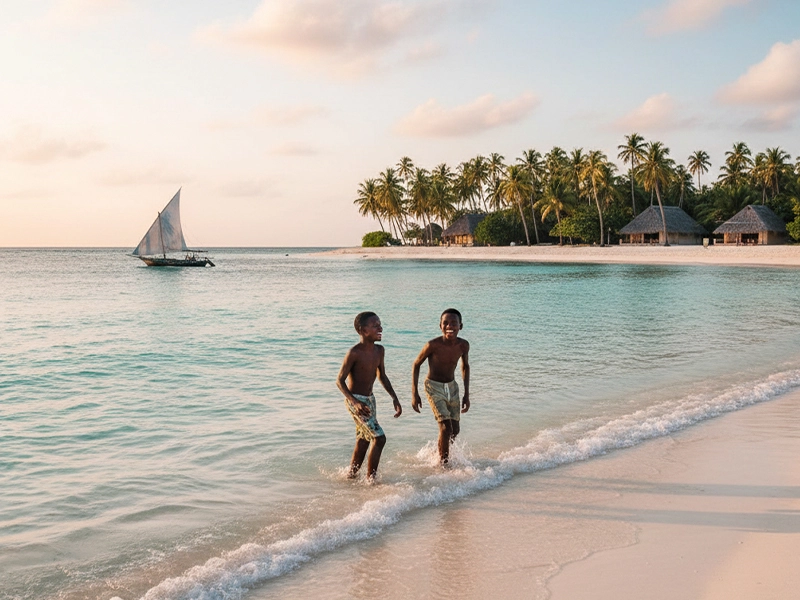
Mix Safari with Local Travel – Spend a few days exploring Arusha, Moshi, or Zanzibar to balance costs.